

Life with AI is just more work
The shorter workweek is a mirage.

Embedded is your essential guide to what’s good on the internet, written by Kate Lindsay and edited by Nick Catucci.
I wrote about Brick, and posting about Brick, and if you’re really Bricked if you’re posting about Brick. —Kate
New on ICYMI: A handful of “slopagandists” are creating lazy, biased content—and the government is listening.
Head over here to subscribe to ICYMI wherever you listen to podcasts 🫶
In 1930, economist John Maynard Keynes wrote an essay titled “Economic Possibilities For Our Grandchildren” which predicted that, by now, automation and advances in technology would allow for a 15-hour work week. Today, AI evangelists are trying to pspspsps me into using ChatGPT by making similar claims.
One of AI’s big promises to users is just how much time it will save. Seemingly everyday, new AI features are nonconsensually forced into my life. I can’t just read an email; Gemini must generate a “summary” of it to save me the burden of scrolling to read the whole thing myself. My friend Rachel’s iMessage previews are no longer actual texts, but an AI summary of our chat, which, of course, is almost always something stupid.
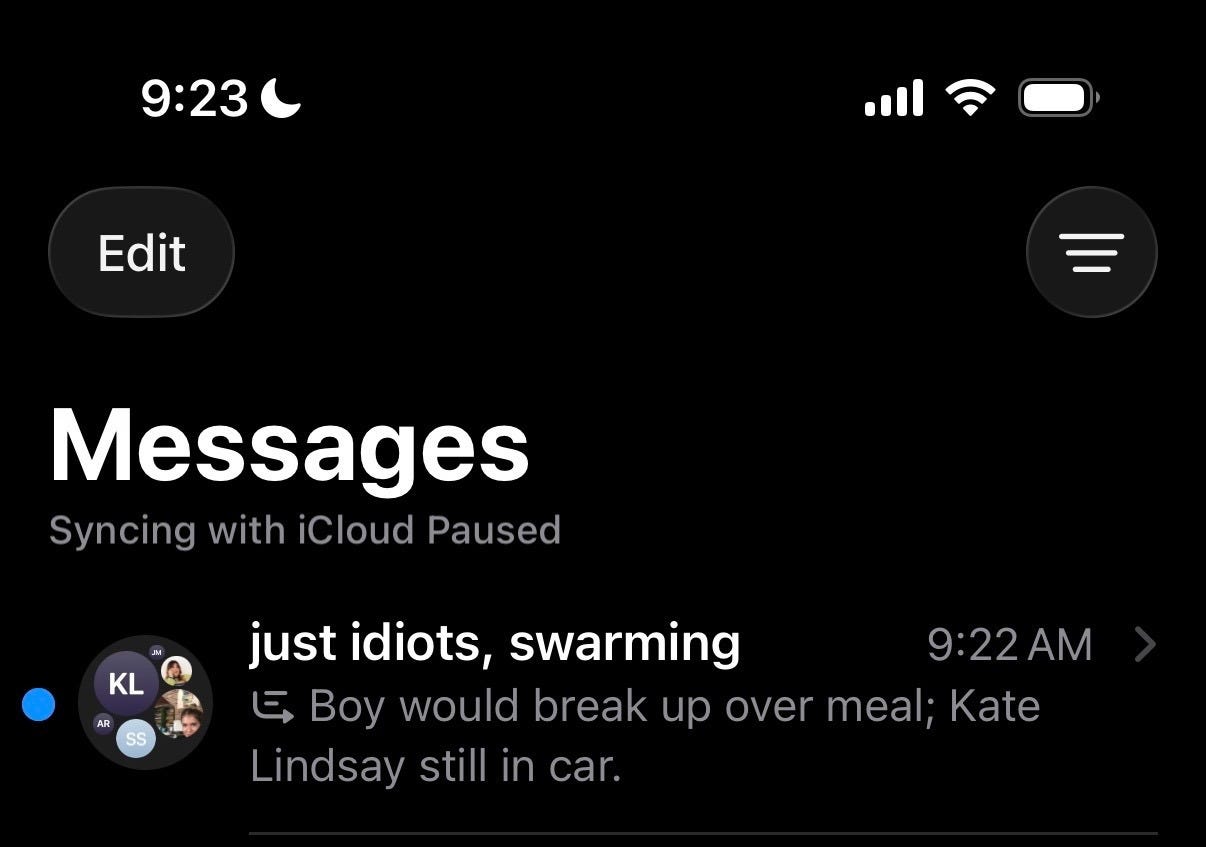
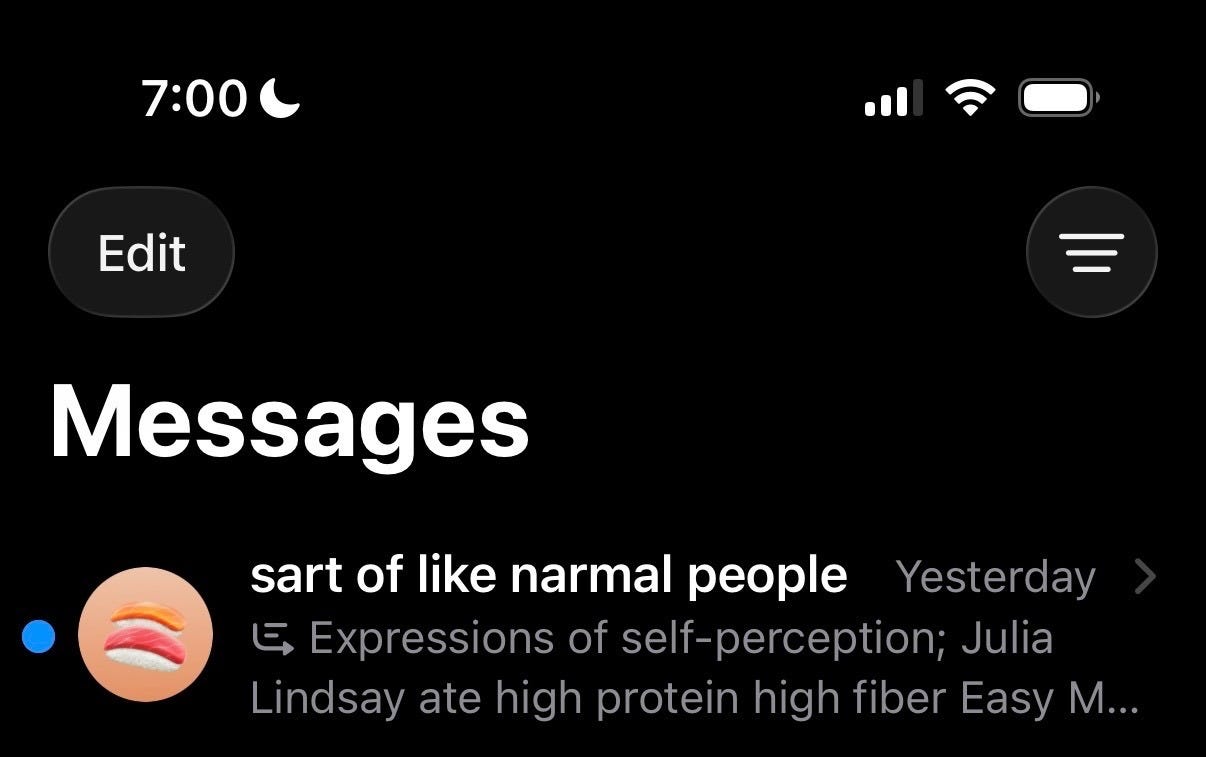
I find AI most upsetting when it’s pulling shit like this. These tools are branded as time-savers, but they’re just the next step in the pursuit to remove friction from every part of our lives. This, as Kathryn Jezer-Morton pointed out in her widely-discussed piece for The Cut, only reduces our tolerance for even the most minor efforts in life. As a result, we’re incentivized to rely on these tools even more. We’re being incepted into seeing conversations with friends as a burden.
That’s not a world I want to live in, which begs the question: What is the world all this innovation is working towards? What will I be doing with the time AI has supposedly freed up for me? Let’s, as my therapist says, follow the thought: Say we all adopt these tools. Say Apple’s AI summarizes all my texts and emails, and ChatGPT creates my grocery lists and workout plans. Say I create a workflow for Claude to carry out my professional tasks. Say I train a model on my writing style to generate Embedded posts, and clone my voice to outsource the podcast. Finally, I can sit back, relax, and…what?
Sit and stare at the wall? Go hang out with my friends who I no longer have the faculties to connect with because I haven’t actually read one of their texts in months? Go to the movies, where the only thing playing is Happy Gilmore 11 (Brought To You By Palintir), which Netflix is releasing in theaters for 24 hours before joining all the other slop legacy IP that we’re not even allowed the dignity of consuming anywhere other than hunched over in our own homes?
In isolation, any one of these tools may have a compelling use case. But by forcing them on people—and not just one, but all of them—the companies behind them are ushering us towards an empty, stunted way of life that will be nothing like the one they promised. I know this, because they broke this promise before.
