

Online travel recommendations are broken
(And where you can still find them.)

Embedded is your essential guide to what’s good on the internet, written by Kate Lindsay and edited by Nick Catucci.
Turns out airplanes are broken, too, because I’m now sending this from the Heathrow Airport Holiday Inn after my flight was cancelled due to “maintenance issues.” —Kate
New on ICYMI: The incredible scaachi stepped in for me while I was away last week, and it’s a banger of an ep:
Head over here to subscribe to ICYMI wherever you listen to podcasts 🫶
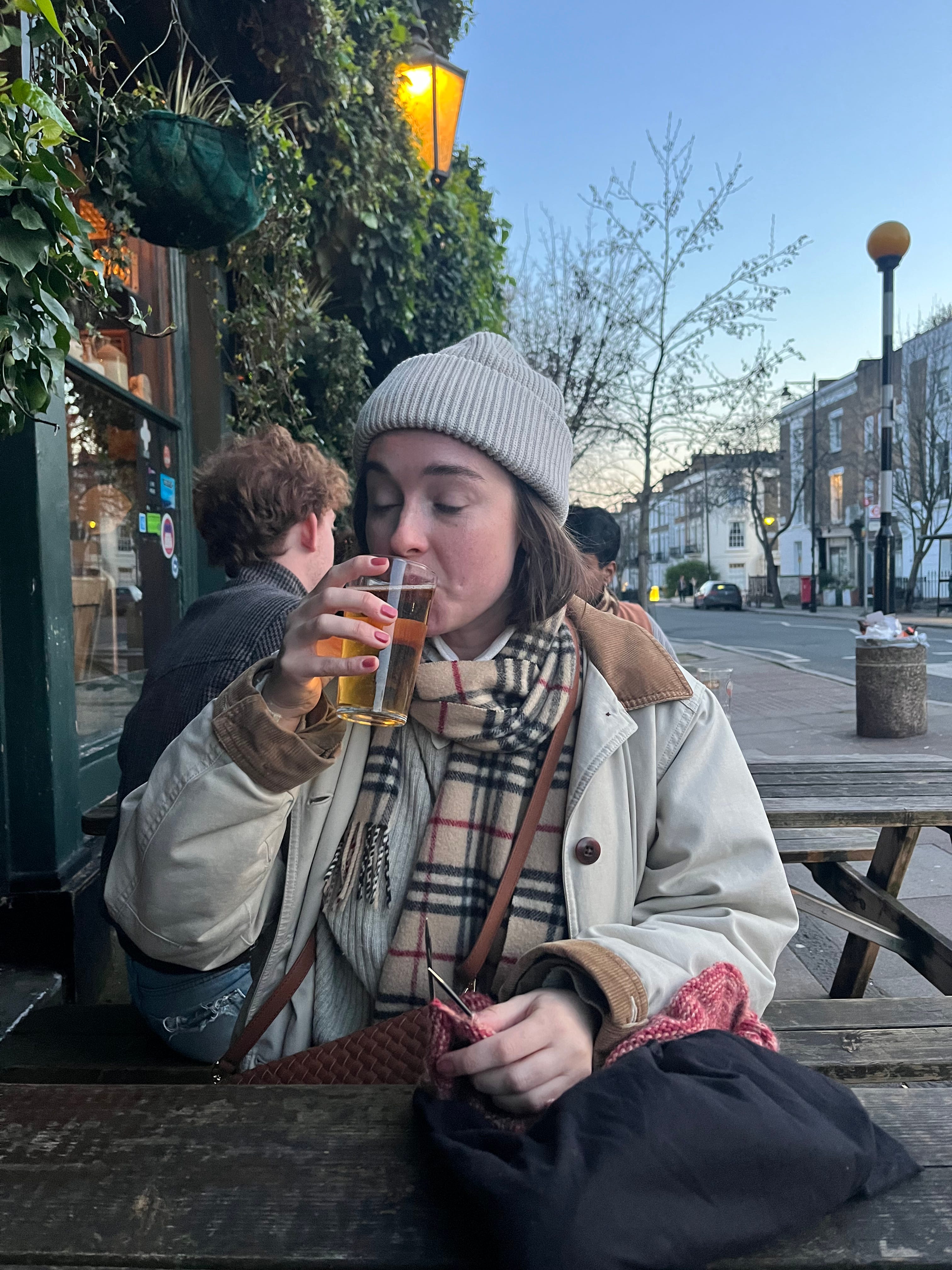
I am a Type A traveler. I create itineraries that include all the important information (reservations, flight details, and hotel confirmation numbers) in one place that provides a rough scaffolding around which to construct the rest of the trip. I tend to go on at least one international vacation a year, often to the UK where I spent a chunk of my childhood, and so feel pretty confident in my ability to spot and avoid needless tourist traps, and hunt down restaurants and activities that feel unique and worthwhile. I don’t say all this to brag—although I do brag about it—but so you’ll believe me what I tell you: This shit has gotten harder.
I’m not talking about the physical act of traveling (although, as you can imagine, a government shutdown and emergent world war did lend a certain surrealism and guilt to the act of sitting up in bed to search the words “pastries near me” on Google maps). But rather, I’m talking about discovery, and the once-reliable methods of it that the internet used to provide, but that are now overrun with sponsored listings, gamified SEO, and so many opinions from so many different people as to make the 4.3 star rating on Google totally meaningless.
This realization came on the first morning of our trip. After a day of travel, we woke up in Devon, England for a day of bopping through town, fossil hunting on the Jurassic Coast, and a classic pub lunch. I had already figured all of this out: the exact beach was saved on my Google Maps list, the pub options listed in our itinerary that I had selected based on location and the vibe of photos from inside.
After speaking with the chef at our bed and breakfast, however, all this went out the window. He provided an entirely different itinerary of his own recommendations. Thanks to him, we went to a pub that was right on the beach, with delicious food and a rustic and homey interior, drove further up the coast than we had initially planned and ended up at a beach where I actually found a fossil (!!!!).
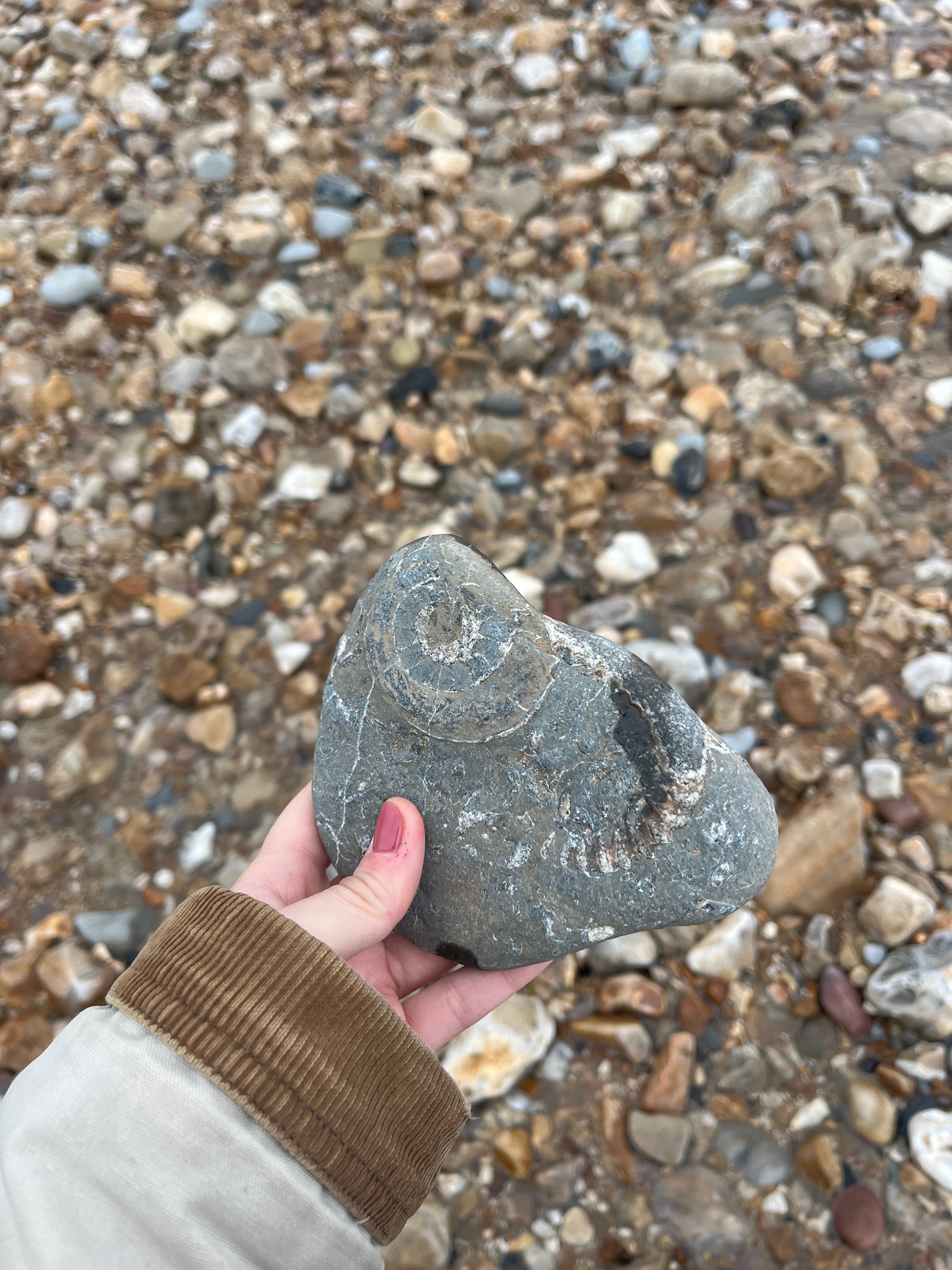
It not only felt better getting these recommendations from a local—chatting, instead of scrolling—they were better. And not a single one popped up in my research online. In fact, I had to double back to ask the chef to repeat the name of the beach he recommended, because despite my searching “beach fossil hunting” on Google Maps in the exact area it should have been located, the app turned up nothing.
I used to rely on publications for recommendations. Kinfolk once curated “City Guides” that you could navigate on a place-by-place basis (they technically still have a version of this, but it’s mostly just hotels). Back then, even if the exact store or restaurant they recommended wasn’t up my alley, I knew they’d be located in an area of a city that was, because I trusted that our tastes aligned. I don’t know why they stopped doing them, but it may be because they’re now competing with thousands of other search-optimized websites doing their own versions of the same thing. Except, in order to maximize reach, these websites have to dilute their identity to appeal to the broadest possible audience, which means there’s no way of knowing if the recommendation is really for you.
Social media became a respite from this. To this day, I still source so many recommendations from creators I follow online. But I do find it hard to wholeheartedly believe in the authenticity of any kind of person who makes their living off an algorithm, because they’re serving the algorithm—not me. It’s how we end up with things like Instagram traps—restaurants or experiences that look great online but are bad in person—and that visitors still post about, because getting the photo was the point.

This is why, as I wrote for Thrillist in 2024, the more reliable options are now found in travel guides curated in Google Docs. Emilia Petrarca, a connoisseur, captured their utility nicely: “I want recs from someone who travels in a similar way that I do and wants to spend their time in a similar way that I do,” she told me for the piece. “What I’m looking for in recommendations is like, ‘Stay in room number eight because room number six is really loud,’ ‘Make a reservation at this place,’ or, ‘This is the place that everyone’s talking about and it’s not that great.’”
Human recommendations are great because they’re specific and tried and tested by a person you trust, which is why they’re not available on demand on the internet. Finding good recommendations requires patience and perceptiveness. Still, you won’t always have a kindly chef at an inn to share his tips. When I’m on my own or just in a hurry, I still have my tried and true techniques for finding legitimate recommendations online:
